Poison Ivy Removal in Montgomery County, PA
Poison ivy removal services focus on safely eliminating this invasive plant from residential properties, including yards, gardens, and landscaping areas. These services typically cover the identification and removal of poison ivy, poison oak, and poison sumac, especially in areas where the plants pose a risk to residents and visitors. Property owners often seek this service to prevent skin irritation, allergic reactions, and to maintain a safe outdoor environment, particularly around play areas, walkways, and garden beds.
Before requesting poison ivy removal, property owners should understand the extent of the infestation and whether the plants are accessible for safe removal. It is also helpful to know if the plants are located near desirable landscaping or structures, as this can influence the best removal approach. Proper disposal methods are important to prevent the spread of the plants to other areas, and understanding the potential need for follow-up treatments can ensure the property remains clear of poison ivy in the future.
Many property owners in Montgomery County, PA look into Poison Ivy Removal for repairs, replacements, upgrades, and appearance-related improvements.
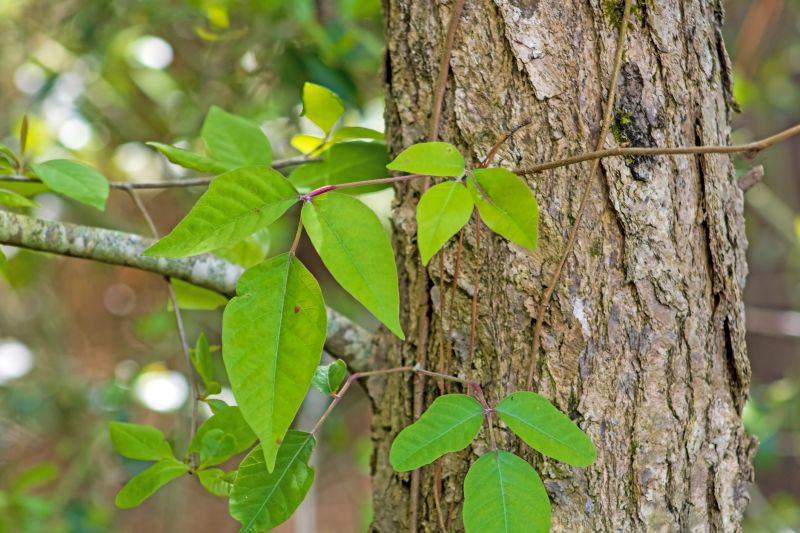
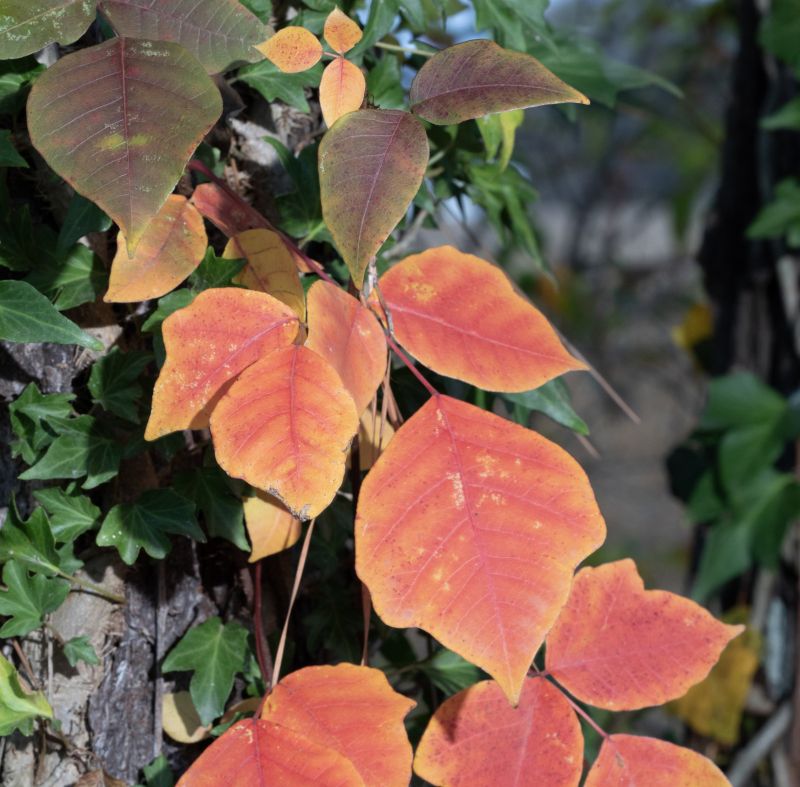
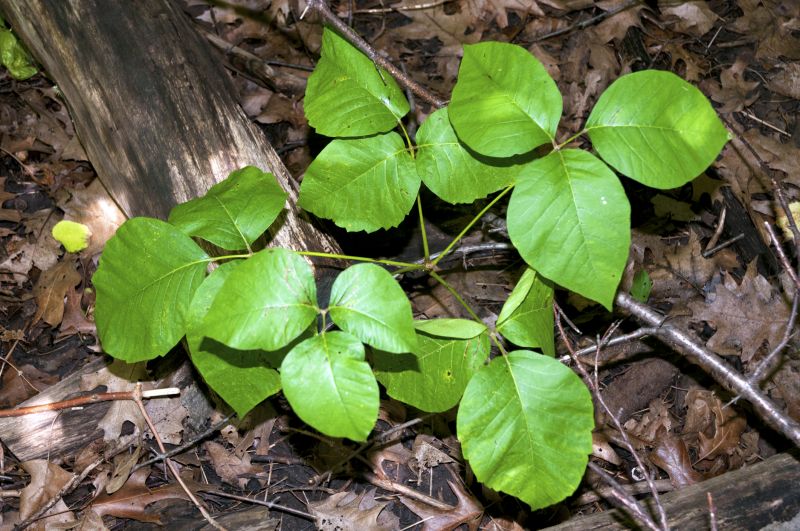
Identifying Poison Ivy
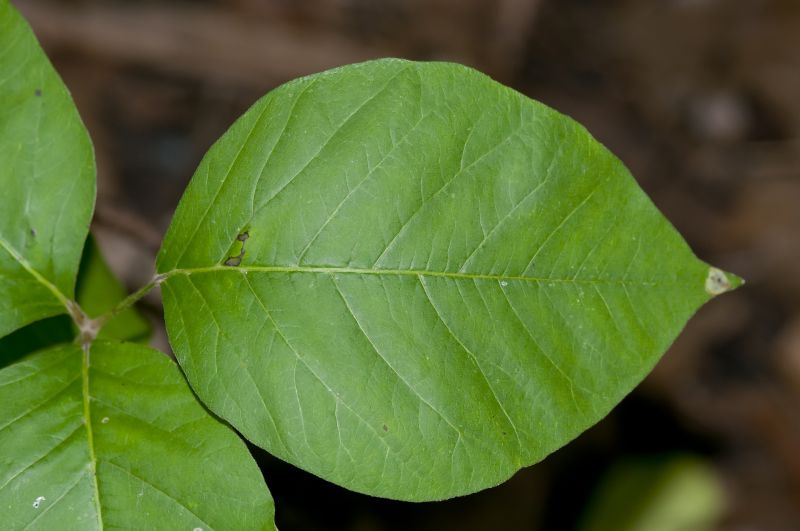
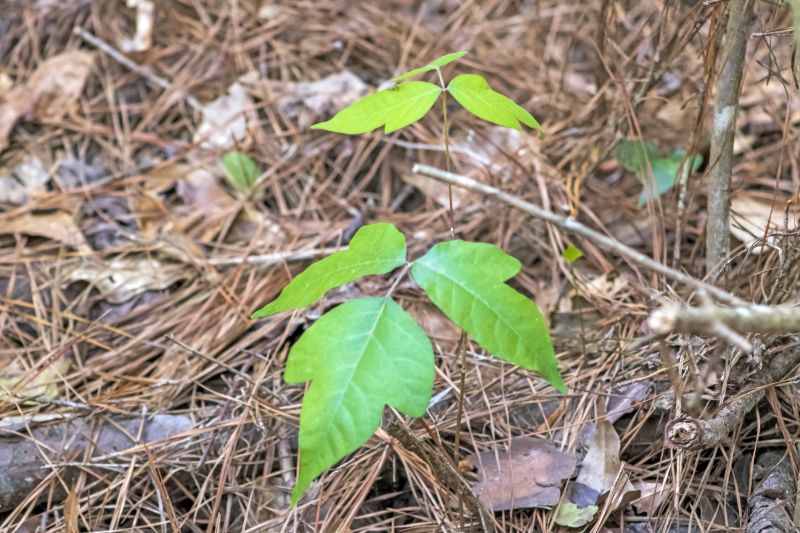
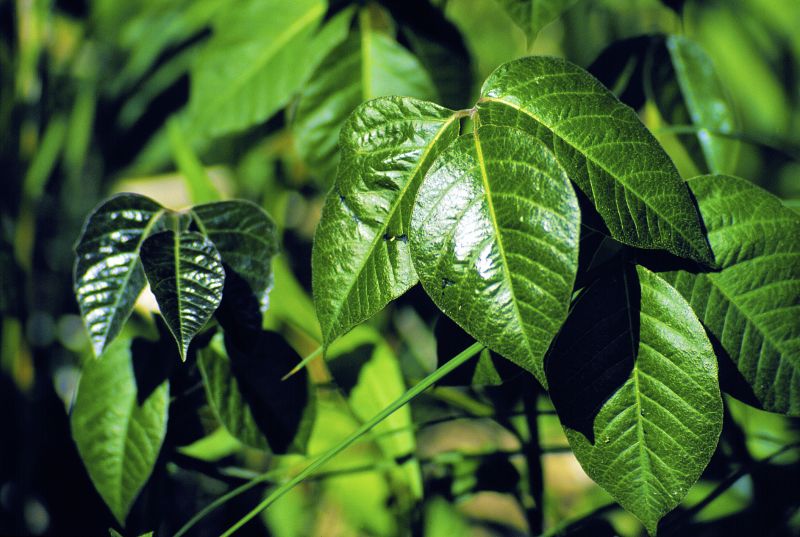
Learn how to recognize poison ivy growth on your property in montgomery county, pa.
Safe Removal Techniques
Professional removal ensures the plant is safely eliminated without damaging surrounding landscaping.
Preventing Future Growth
Proper management helps keep poison ivy from regrowing and spreading on residential and commercial properties.
Poison Ivy Removal in Montgomery County, PA
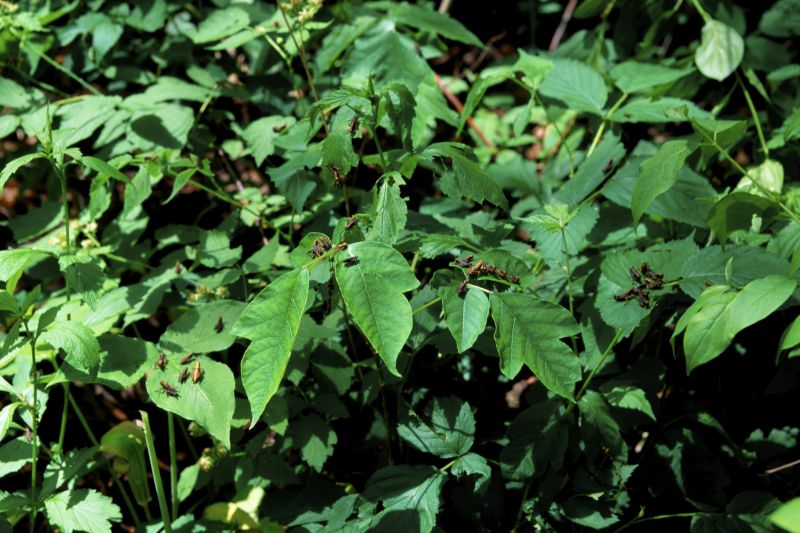
Poison ivy removal services focus on safely eliminating this invasive plant from residential properties, including yards, gardens, and landscaping areas. These services typically cover the identification and removal of poison ivy, poison oak, and poison sumac, especially in areas where the plants pose a risk to residents and visitors. Property owners often seek this service to prevent skin irritation, allergic reactions, and to maintain a safe outdoor environment, particularly around play areas, walkways, and garden beds.
Before requesting poison ivy removal, property owners should understand the extent of the infestation and whether the plants are accessible for safe removal. It is also helpful to know if the plants are located near desirable landscaping or structures, as this can influence the best removal approach. Proper disposal methods are important to prevent the spread of the plants to other areas, and understanding the potential need for follow-up treatments can ensure the property remains clear of poison ivy in the future.
Many property owners in Montgomery County, PA look into Poison Ivy Removal for repairs, replacements, upgrades, and appearance-related improvements.
Common Poison Ivy Removal Jobs
Poison Ivy Removal - safely eliminates invasive plants from yards and landscapes.
Yard Clearing - removes poison ivy from lawns, gardens, and outdoor spaces.
Fence Line Clearing - clears poison ivy along property boundaries and fencing.
Tree and Shrub Trimming - removes poison ivy growing on or near trees and shrubs.
Landscaping Cleanup - ensures safe removal of poison ivy during property renovations.
Property Maintenance - ongoing removal services to prevent poison ivy regrowth.
Poison Ivy Removal Questions
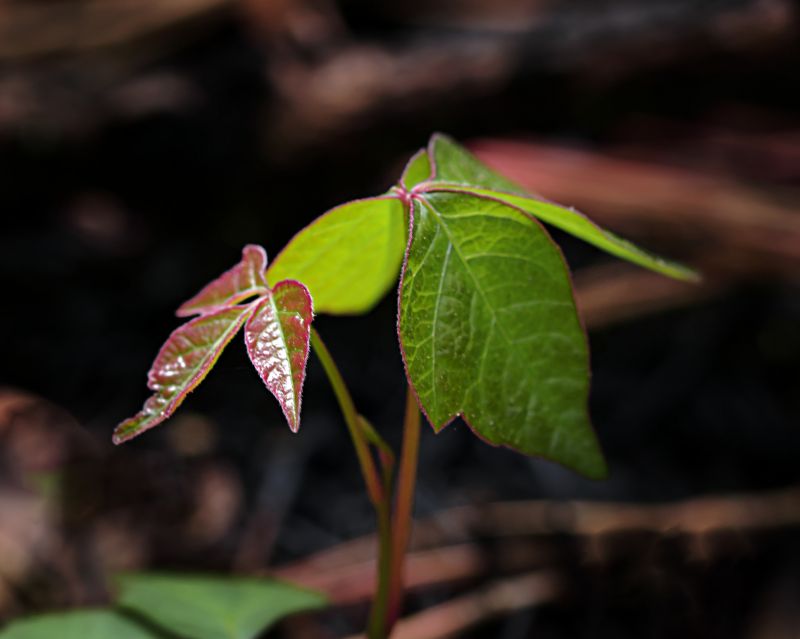
What is poison ivy removal? Poison ivy removal involves eliminating the plant from your property to prevent skin irritation and other health risks.
When should poison ivy be removed? Removal is recommended when poison ivy is growing in areas accessible to people or pets, or when it begins to spread.
What methods are used for poison ivy removal? Techniques include manual pulling, cutting, and applying specialized herbicides to safely eradicate the plant.
Is professional poison ivy removal necessary? Professional removal ensures safe and effective elimination, especially in hard-to-reach or large infestations.
Request Poison Ivy Removal in Montgomery County, PA
Use the quote form on this page to share the basics of your project and request more information for the type of work you need.