Poison Ivy Removal in Lancaster County, PA
Poison ivy removal services focus on safely identifying and eliminating poison ivy plants from residential properties. This service covers a variety of projects, including clearing overgrown areas, removing plants from yards, gardens, and landscape beds, and addressing infestations along fences, sheds, or wooded sections of a property. Property owners typically want to understand the methods used to ensure the safe removal of these plants, especially to prevent skin irritation or allergic reactions, and to protect children, pets, and nearby plants from exposure.
Before requesting poison ivy removal, homeowners should consider the extent of the infestation and the location of the plants on their property. It’s helpful to know if the plants are in hard-to-reach areas or near valuable landscaping that requires careful handling. Understanding the scope of the project and any specific concerns about safety or property preservation can assist in planning an effective removal process.
Many property owners in Lancaster County, PA look into Poison Ivy Removal for repairs, replacements, upgrades, and appearance-related improvements.
Understanding Poison Ivy
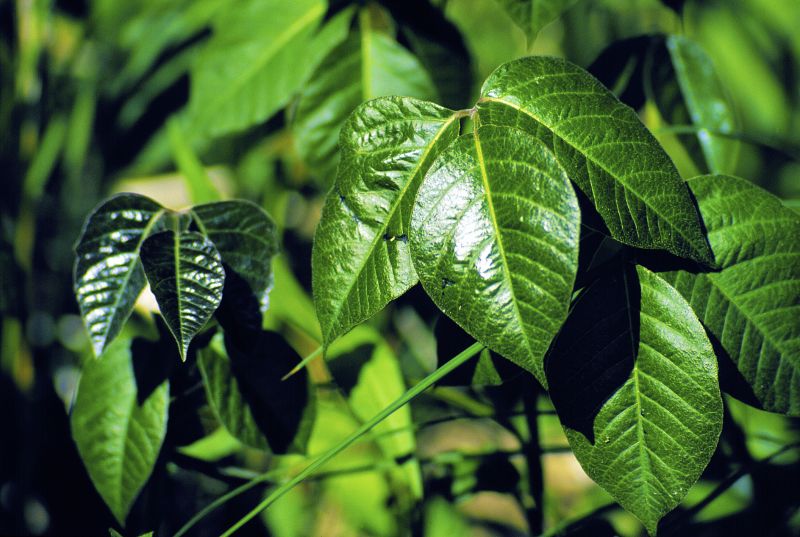
Poison ivy is a common plant in lancaster county that can cause skin irritation and allergic reactions.
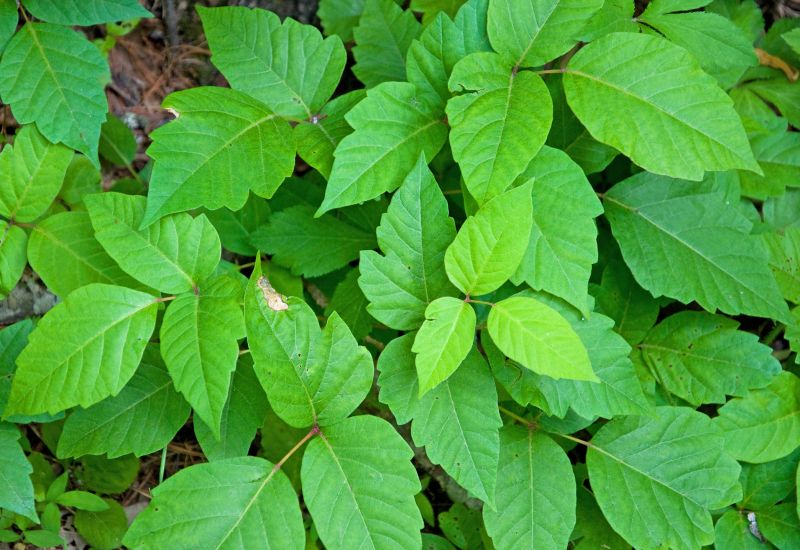
Signs Of Poison Ivy Infestation
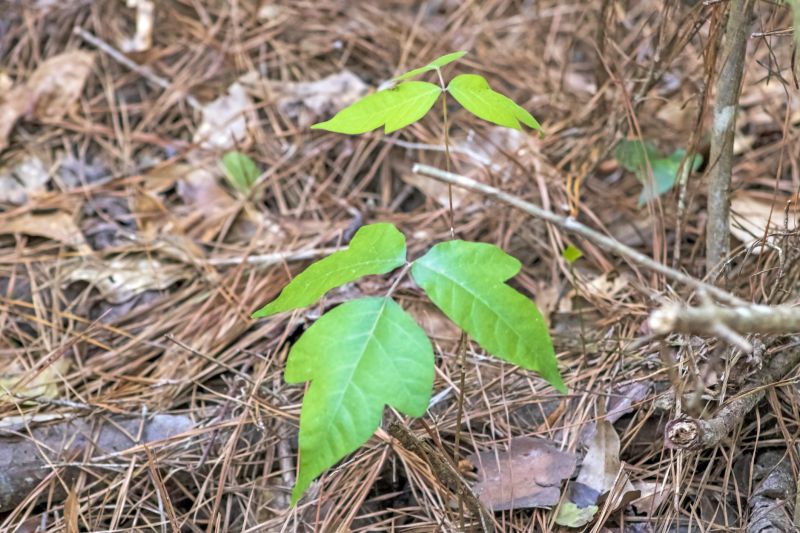
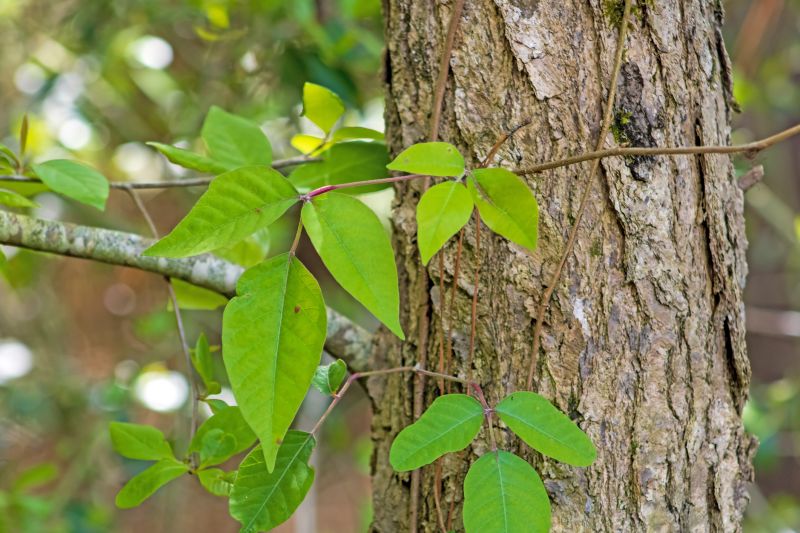
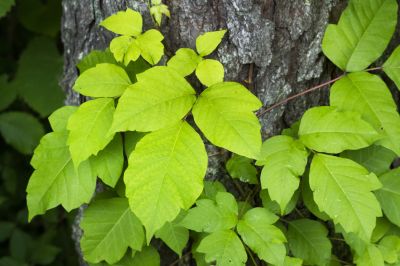
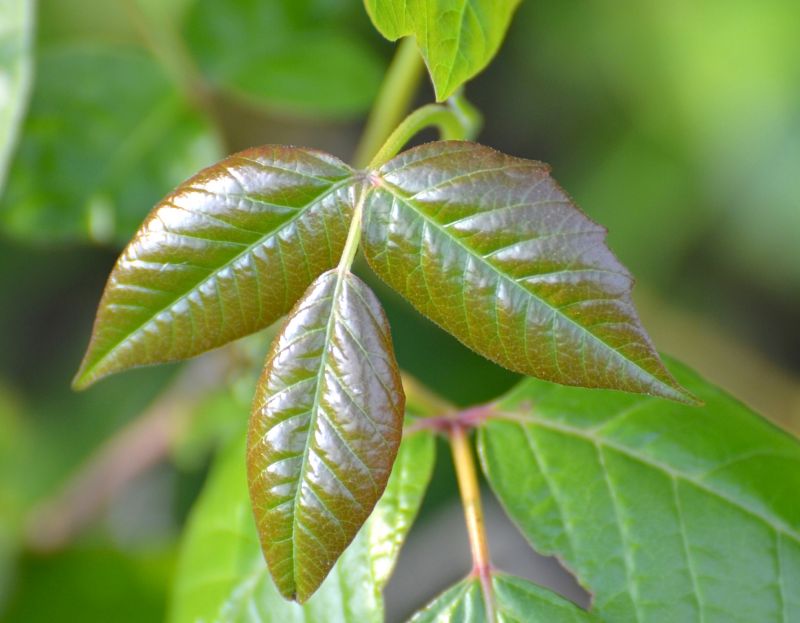
Identifying poison ivy involves recognizing its characteristic three-leaf clusters and vine growth on trees or fences.
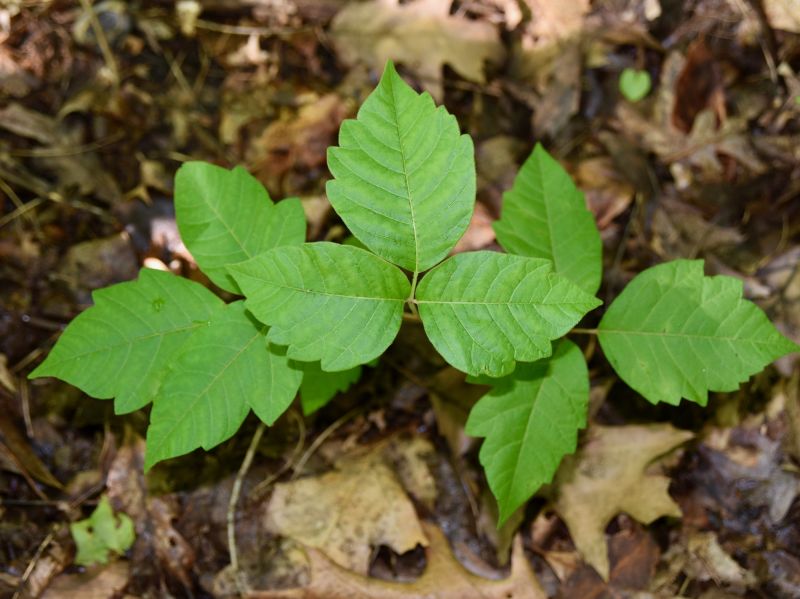
Safe Removal Methods
Professional poison ivy removal ensures that plants are safely eradicated to prevent skin contact and future growth.
Poison Ivy Removal in Lancaster County, PA
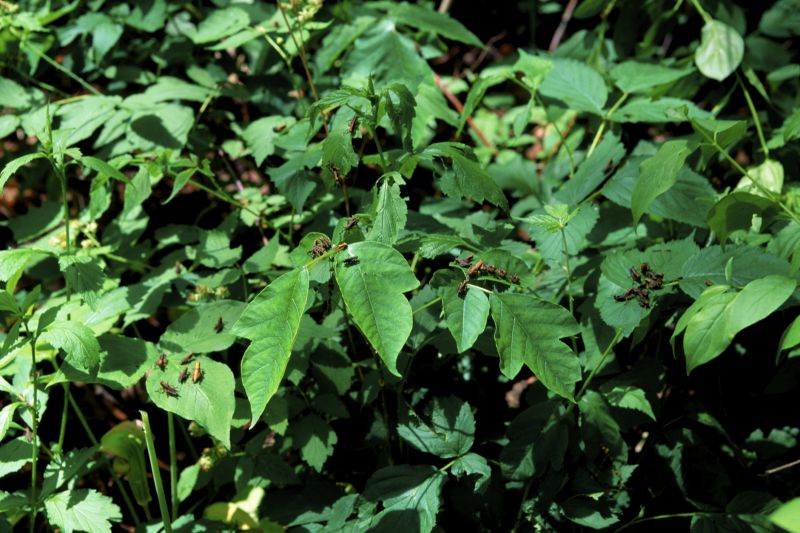
Poison ivy removal services focus on safely identifying and eliminating poison ivy plants from residential properties. This service covers a variety of projects, including clearing overgrown areas, removing plants from yards, gardens, and landscape beds, and addressing infestations along fences, sheds, or wooded sections of a property. Property owners typically want to understand the methods used to ensure the safe removal of these plants, especially to prevent skin irritation or allergic reactions, and to protect children, pets, and nearby plants from exposure.
Before requesting poison ivy removal, homeowners should consider the extent of the infestation and the location of the plants on their property. It’s helpful to know if the plants are in hard-to-reach areas or near valuable landscaping that requires careful handling. Understanding the scope of the project and any specific concerns about safety or property preservation can assist in planning an effective removal process.
Many property owners in Lancaster County, PA look into Poison Ivy Removal for repairs, replacements, upgrades, and appearance-related improvements.
Common Poison Ivy Removal Jobs
Poison Ivy Removal - safely eliminates invasive plants from lawns, gardens, and landscapes.
Yard Clearing - removes poison ivy from wooded areas and overgrown property sections.
Property Maintenance - prevents future growth with targeted removal and control strategies.
Fence Line Clearing - clears poison ivy along fences, driveways, and property boundaries.
Landscape Restoration - restores affected areas after poison ivy removal to promote healthy growth.
Safety Removal - handles the removal process to reduce skin irritation and health risks.
Poison Ivy Removal Questions
What is poison ivy removal? Poison ivy removal involves safely eliminating the plant from a property to prevent skin irritation and environmental spread.
When should poison ivy be removed? Removal is recommended when poison ivy is growing in high-traffic areas, near structures, or where it poses a risk of contact.
What methods are used for poison ivy removal? Techniques include manual removal, herbicide application, and root removal to ensure complete eradication.
Is poison ivy removal safe for my landscape? When performed properly, removal minimizes damage to surrounding plants and maintains landscape health.
Request Poison Ivy Removal in Lancaster County, PA
Use the quote form on this page to share the basics of your project and request more information for the type of work you need.